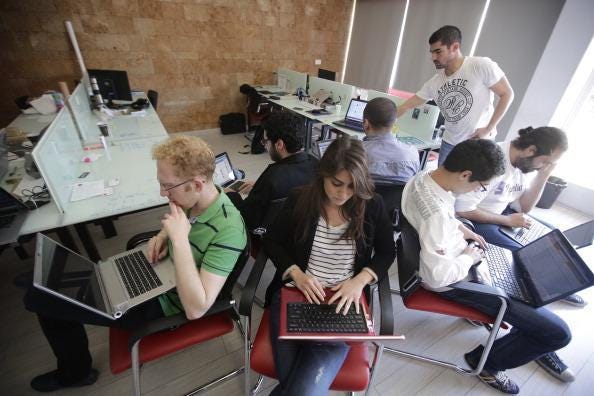
Từng nhiều năm khởi nghiệp và gặt hái thành công tại Thung lũng Silicon, Mỹ trước khi trở về Việt Nam, Đỗ Hoài Nam đề cao sự chăm chỉ của con người và nhấn mạnh thành công đạt được sau chuỗi dài thất bại nhỏ

Đỗ
Hoài Nam, sinh năm 1977, từng là học sinh chuyên vật lý của Trường THPT Hà Nội -
Amsterdam. Năm 1995, Nam giành được học bổng toàn phần của Chính phủ Australia
và theo chương trình học dành cho những sinh viên giỏi có tố chất đặc biệt để
làm lãnh đạo tại Đại học RMIT (Úc).
Năm
2003, Nam cùng bạn bè thành lập Emotiv Systems, với sản phẩm “máy đo bộ não
người”. Năm 2010, công ty đạt doanh thu đến 10 triệu USD. Năm 2013, Nam rời vị
trí quản lý của Emotiv và theo các hoạt động khởi nghiệp khác. Năm 2016, Nam là
đồng sáng lập chuỗi chia sẻ chỗ làm việc UP
Co-working với văn phòng đầu tiên tại Lương Yên, Hà
Nội.
Học
cách sẵn sàng đối mặt với thất bại
Nhiều
người Việt Nam biết tới vai trò của anh trong Emotiv Systems nhưng không rõ vì
sao anh rời khỏi nó lúc tên tuổi của công ty này đang nổi tiếng không chỉ ở
Thung lũng Silicon mà cả nước Mỹ và thế giới?
Đến
lúc này, Emotiv không còn là công ty khởi nghiệp mà đã trở thành một tên tuổi
lớn. Tôi góp mặt trong quá trình phát triển Emotiv Systems từ năm 2003 đến 2013.
Dù đã trở thành công ty lớn nhưng cá nhân tôi quyết định không tiếp tục điều
hành nó vì bản thân mình là người đam mê những cái mới. Tôi muốn làm những cái
gì tạo ra giá trị mới cũng như có cơ hội làm thêm những cái
mới.
Mọi
người đều biết tới thành công của anh nhưng chẳng biết gì nhiều về những thất
bại mà anh đã trải qua để có được thành công đó. Anh có thể chia sẻ điều gì về
những thất bại của bản thân mình?
Trong
mỗi sự thành công thường có cả chuỗi thất bại. Tôi có quan điểm rằng, để thành
công mà không gặp phải thất bại lớn thì chúng ta phải trải qua rất nhiều thất
bại nhỏ cũng như đối mặt với chúng. Trong khởi nghiệp, mình cần phải tạo ra hệ
thống mà mình liên tiếp thất bại để có thể gặp hái được những thành công. Nếu
chúng ta gặp nhiều thất bại nhỏ, chúng ta có thể tránh được thất bại
lớn.
Tôi
bắt đầu khởi nghiệp từ năm 1999 và có rất nhiều bài học trong suốt 17 - 18 năm
qua. Với nhiều người, những kinh nghiệm đó có thể viết được thành sách nhưng
mình không có năng khiếu. Rất khó để nêu cụ thể từng cái một nhưng những bài học
nằm trong mọi lĩnh vực như nhân sự, đầu tư, tổ chức.
Với
tôi, bài học về con người là quan trọng nhất. Người ta vẫn nói rằng không ai
đúng 100% và ngay cả cái đồng hồ chết cũng đúng được 2 lần mỗi ngày. Chính vì
thế, điều quan trọng là nhận ra sai lầm và thay đổi. Nếu có đội ngũ con người
tốt, chúng ta luôn luôn có thể sửa chữa những sai lầm đó. Khi chúng ta tự tin về
khả năng thay đổi của những con người nằm trong bộ máy của chúng ta, hãy cho
phép họ sai lầm. Nói cách khác, để thành công, chúng ta cần tạo ra nền tảng cho
sự thất bại.
Việt
Nam có nguy cơ chảy máu nhân tài công nghệ
Là
người từng trải và có kinh nghiệm khởi nghiệp cả ở Mỹ và Việt Nam, anh thấy đâu
là điểm khác biệt?
Có
những khác biệt rất lớn nhưng chủ yếu là trình độ. Thung lũng Silicon là nơi tập
trung của những người giỏi nhất thế giới. Nó chẳng khác gì một thỏi nam châm thu
hút nhân tài, nguồn lực và thị trường. Trong tất cả các ngành, thị trường Mỹ
luôn bằng 40% tổng nhu cầu của thế giới. Những điều kiện này tạo cho Thung lũng
Silicon một vị thế không thể bị lung lay.
Tuy
nhiên, trong trật tự về khởi nghiệp, đặc biệt là về khoa học công nghệ, một sự
thay đổi đang xảy ra trên khắp thế giới. Trước đây, mọi thứ đều bắt nguồn từ
Thung lũng Silicon nhưng hiện nay, nơi đây chỉ còn đóng vai trò trung tâm hay
thủ đô của khởi nghiệp. Bên cạnh đó có nhiều vệ tinh như London ở châu Âu hay
Thượng Hải, Hồng Kông ở Đông Bắc Á. Tại Đông Nam Á, có một cuộc chiến giữa để
giành lấy vị thế này dù Singapore đang có dấu hiệu dẫn trước.
Sở
dĩ Singapore chưa trở thành vệ tinh trong mạng lưới này bởi nguồn lực kém và thị
trường nhỏ. Lợi thế lớn nhất của họ chỉ là tiền bởi các quỹ đầu tư lớn trong khu
vực đều có trụ sở ở Singapore. Bản thân nhiều nước Đông Nam Á đang góp mặt trong
cuộc chạy đua này nhưng Việt Nam, dù có nhiều điều kiện thuận lợi và ở vị trí
tốt, lại quyết định đứng bên ngoài.
Cá
nhân tôi rất mong đợi Việt Nam tham gia cuộc đua này. Đông Nam Á là một thị
trường hàng trăm triệu dân trong khi Việt Nam đông dân thứ 2 chỉ sau Indonesia.
Về nguồn lực, đặc biệt trong lĩnh vực Khoa học Công nghệ, Việt Nam cũng đang có
lợi thế. Chúng ta chỉ thiếu tiền nhưng vấn đề này có thể được giải quyết nếu thu
hút thành công các quỹ đầu tư. Việt Nam có điều kiện thuận lợi và buộc phải trở
thành một vệ tinh trên mạng lưới công nghệ mà Thung lũng Silicon là trung tâm
nếu không muốn chảy máu nhân tài trong lĩnh vực này.
 Việt
Nam có nhiều lợi thế để trở thành một vệ tinh trong mạng lưới mà Thung lũng
Silicon là trung tâm. Ảnh: Duy Minh
Anh
đánh giá như thế nào về môi trường khởi nghiệp ở Việt Nam hiện
nay?
Hiện
tại, khởi nghiệp ở Việt Nam đã tốt hơn 2 năm trước rất nhiều. Lực lượng khởi
nghiệp đã thành công trong việc khó nhất là thay đổi nhận thức của nhà nước và
xã hội về khởi nghiệp. Mọi người hiểu rằng start-up là tương lai của đất nước.
Tuy nhiên, với Việt Nam, điều này khó có thể xảy ra trong ngày một ngày hai vì
xuất phát điểm thấp. Dẫu vậy, điều khó nhất đã được thực hiện và môi trường khởi
nghiệp ở Việt Nam sẽ ngày càng tốt lên.
Thêm
vào đó, chất lượng nguồn lực ở Việt Nam đang được cải thiện nhiều với đội ngũ du
học sinh hồi hương hay thậm chí là những người nước ngoài chọn Việt Nam là điểm
đến. Người Việt Nam chúng ta rất thông minh nhưng ít người giỏi vì chúng ta
thiếu đi những trải nghiệm cần thiết. Việc tăng những trải nghiệm sẽ giúp Việt
Nam phát triển.
Trong
start-up, quản trị thời gian là sự thất bại
Bài
toán nhân sự có phải vấn đề hóc búa nhất với giới khởi nghiệp ở Việt
Nam?
Nhân
sự luôn là bài toán khó nhất với tất cả các ngành. Mọi giá trị mà chúng ta đang
sử dụng đều được tạo ra bởi con người. Nếu bài toán nhân sự tốt, các bài toán
khác như tài chính hay kinh doanh sẽ tự được giải quyết. Tuy nhiên, nhiều nhận
thức về nhân sự khởi nghiệp hiện tại đang đi theo hướng truyền thống và chưa
thực sự tối ưu hoá nguồn lực.
Với
một công ty khởi nghiệp, ý tưởng là quan trọng nhưng việc thực hiện ý tưởng mới
là điều quan trọng nhất. Với một đội ngũ tốt, ý tưởng sai có thể được điều chỉnh
trong quá trình làm việc và trở nên đúng và ngược lại, nếu đội ngũ kém thì ý
tưởng tốt cũng sẽ trở nên sai lệch. Tuy nhiên, không ai có thể thành công nếu
không có đội ngũ. Vì thế, cần cho mọi người cảm giác việc công ty là việc của
mình.
Việt
Nam có nhiều lợi thế để trở thành một vệ tinh trong mạng lưới mà Thung lũng
Silicon là trung tâm. Ảnh: Duy Minh
Anh
đánh giá như thế nào về môi trường khởi nghiệp ở Việt Nam hiện
nay?
Hiện
tại, khởi nghiệp ở Việt Nam đã tốt hơn 2 năm trước rất nhiều. Lực lượng khởi
nghiệp đã thành công trong việc khó nhất là thay đổi nhận thức của nhà nước và
xã hội về khởi nghiệp. Mọi người hiểu rằng start-up là tương lai của đất nước.
Tuy nhiên, với Việt Nam, điều này khó có thể xảy ra trong ngày một ngày hai vì
xuất phát điểm thấp. Dẫu vậy, điều khó nhất đã được thực hiện và môi trường khởi
nghiệp ở Việt Nam sẽ ngày càng tốt lên.
Thêm
vào đó, chất lượng nguồn lực ở Việt Nam đang được cải thiện nhiều với đội ngũ du
học sinh hồi hương hay thậm chí là những người nước ngoài chọn Việt Nam là điểm
đến. Người Việt Nam chúng ta rất thông minh nhưng ít người giỏi vì chúng ta
thiếu đi những trải nghiệm cần thiết. Việc tăng những trải nghiệm sẽ giúp Việt
Nam phát triển.
Trong
start-up, quản trị thời gian là sự thất bại
Bài
toán nhân sự có phải vấn đề hóc búa nhất với giới khởi nghiệp ở Việt
Nam?
Nhân
sự luôn là bài toán khó nhất với tất cả các ngành. Mọi giá trị mà chúng ta đang
sử dụng đều được tạo ra bởi con người. Nếu bài toán nhân sự tốt, các bài toán
khác như tài chính hay kinh doanh sẽ tự được giải quyết. Tuy nhiên, nhiều nhận
thức về nhân sự khởi nghiệp hiện tại đang đi theo hướng truyền thống và chưa
thực sự tối ưu hoá nguồn lực.
Với
một công ty khởi nghiệp, ý tưởng là quan trọng nhưng việc thực hiện ý tưởng mới
là điều quan trọng nhất. Với một đội ngũ tốt, ý tưởng sai có thể được điều chỉnh
trong quá trình làm việc và trở nên đúng và ngược lại, nếu đội ngũ kém thì ý
tưởng tốt cũng sẽ trở nên sai lệch. Tuy nhiên, không ai có thể thành công nếu
không có đội ngũ. Vì thế, cần cho mọi người cảm giác việc công ty là việc của
mình.
 Bài
toán nhân sự là vấn đề học búa nhất với tất cả các ngành, không chỉ với giới
khởi nghiệp Việt Nam. Ảnh: Duy Minh
Tuy
nhiên, đây là điều hoàn toàn không dễ. Trong bối cảnh doanh nghiệp khởi nghiệp
thường không có tiền, chìa khoá để thu hút nhân tài là tầm nhìn và cổ phần trong
chính công ty. Chúng sẽ là động lực để mọi người đều cảm thấy việc họ đang làm
là làm cho bản thân mình.
Khi
còn làm ở Emotiv Systems, có một chính sách về nhân sự rất hiệu quả là cho phép
mọi người được tự do trong ngày thứ sáu. Trong ngày này, những người có dự án cá
nhân, họ có quyền sử dụng mọi nguồn lực của công ty để làm việc riêng cho mình.
Đây là chính sách rất hữu ích trong việc kích thích sự sáng tạo của con người.
Tôi cũng đang áp dụng chính sách này với những công ty nằm dưới sự đầu tư của
mình.
Là
người quản lý, tôi luôn muốn mang lại sự tốt nhất cho nhân viên thay vì đòi hỏi
họ mang lại sự tốt nhất cho công ty. Việc tạo cơ hội cho nhân viên phát triển
tốt nhất là điều vô cùng quan trọng. Trong tất cả các công ty của mình, tôi chưa
bao giờ sử dụng phương pháp quản trị về thời gian vì quan niệm rằng quản trị về
thời gian là sự thất bại. Với những con người không muốn cống hiến hết mình, họ
không thể làm được start-up.
Với
khởi nghiệp, chỉ có thể bay cao lên trời hoặc ngã sấp mặt xuống đất. Không có
khái niệm làng nhàng ở giữa. Chính vì thế, trong giai đoạn đầu tiên của khởi
nghiệp, quản trị nhân sự hoàn toàn khác so với quản trị nhân sự trong doanh
nghiệp. Bài toàn lúc này là làm sao để tối ưu hoá nguồn lực con người và phối
hợp giữa các đội ngũ.
Bài
toán nhân sự ở Việt Nam và Mỹ có giống nhau?
Trong
lĩnh vực tôi làm, sự khác biệt không lớn. Khó khăn đặc thù ở Việt Nam là nhân
tài có nhiều trải nghiệm. Tuổi khởi nghiệp ở Thung lũng Silicon là 35 năm, khi
người ta thường có nhiều năm kinh nghiệm trong lĩnh vực họ làm. Tuy nhiên, ở
Việt Nam, người khởi nghiệp đôi khi còn trẻ quá. Các bạn ấy ít kinh nghiệm và
kiến thức trong lĩnh vực họ làm.
Ngoài
ra, ở Việt Nam, ngay cả những bạn trẻ đều nghĩ tới việc rời văn phòng quá sớm.
Tầm 5 tới 6h chiều, các bạn ấy đã tính chuyện ra về. Ở Mỹ, thông thường người ta
làm việc 14 – 16h/ngày, 7 ngày/tuần. Khi trình độ tương đương, thời gian làm
việc là yếu tố quyết định tới thành công.
Chăm
chỉ là một tài năng. Tuy nhiên, Việt Nam đang không đánh giá cao sự chăm chỉ.
Ngoài ra, thể trạng người Việt Nam cũng tương đối yếu. Dù đã ở tuổi 40 nhưng ít
nhất tháng nào tôi cũng một lần làm thông 2 ngày. Trước đây là 1 tuần tôi làm
thông 2 ngày một lần. Tuy nhiên, các bạn trẻ Việt Nam thường không làm được điều
đó. Khi thức đêm và bước sang ngày thứ 2, các bạn ấy chỉ còn khoảng 20% năng
suất. Với khởi nghiệp, năng suất cao trong ngày thứ 2 và thứ 3 là điều tối quan
trọng.
SOURCE:
CAFEF
Bài
toán nhân sự là vấn đề học búa nhất với tất cả các ngành, không chỉ với giới
khởi nghiệp Việt Nam. Ảnh: Duy Minh
Tuy
nhiên, đây là điều hoàn toàn không dễ. Trong bối cảnh doanh nghiệp khởi nghiệp
thường không có tiền, chìa khoá để thu hút nhân tài là tầm nhìn và cổ phần trong
chính công ty. Chúng sẽ là động lực để mọi người đều cảm thấy việc họ đang làm
là làm cho bản thân mình.
Khi
còn làm ở Emotiv Systems, có một chính sách về nhân sự rất hiệu quả là cho phép
mọi người được tự do trong ngày thứ sáu. Trong ngày này, những người có dự án cá
nhân, họ có quyền sử dụng mọi nguồn lực của công ty để làm việc riêng cho mình.
Đây là chính sách rất hữu ích trong việc kích thích sự sáng tạo của con người.
Tôi cũng đang áp dụng chính sách này với những công ty nằm dưới sự đầu tư của
mình.
Là
người quản lý, tôi luôn muốn mang lại sự tốt nhất cho nhân viên thay vì đòi hỏi
họ mang lại sự tốt nhất cho công ty. Việc tạo cơ hội cho nhân viên phát triển
tốt nhất là điều vô cùng quan trọng. Trong tất cả các công ty của mình, tôi chưa
bao giờ sử dụng phương pháp quản trị về thời gian vì quan niệm rằng quản trị về
thời gian là sự thất bại. Với những con người không muốn cống hiến hết mình, họ
không thể làm được start-up.
Với
khởi nghiệp, chỉ có thể bay cao lên trời hoặc ngã sấp mặt xuống đất. Không có
khái niệm làng nhàng ở giữa. Chính vì thế, trong giai đoạn đầu tiên của khởi
nghiệp, quản trị nhân sự hoàn toàn khác so với quản trị nhân sự trong doanh
nghiệp. Bài toàn lúc này là làm sao để tối ưu hoá nguồn lực con người và phối
hợp giữa các đội ngũ.
Bài
toán nhân sự ở Việt Nam và Mỹ có giống nhau?
Trong
lĩnh vực tôi làm, sự khác biệt không lớn. Khó khăn đặc thù ở Việt Nam là nhân
tài có nhiều trải nghiệm. Tuổi khởi nghiệp ở Thung lũng Silicon là 35 năm, khi
người ta thường có nhiều năm kinh nghiệm trong lĩnh vực họ làm. Tuy nhiên, ở
Việt Nam, người khởi nghiệp đôi khi còn trẻ quá. Các bạn ấy ít kinh nghiệm và
kiến thức trong lĩnh vực họ làm.
Ngoài
ra, ở Việt Nam, ngay cả những bạn trẻ đều nghĩ tới việc rời văn phòng quá sớm.
Tầm 5 tới 6h chiều, các bạn ấy đã tính chuyện ra về. Ở Mỹ, thông thường người ta
làm việc 14 – 16h/ngày, 7 ngày/tuần. Khi trình độ tương đương, thời gian làm
việc là yếu tố quyết định tới thành công.
Chăm
chỉ là một tài năng. Tuy nhiên, Việt Nam đang không đánh giá cao sự chăm chỉ.
Ngoài ra, thể trạng người Việt Nam cũng tương đối yếu. Dù đã ở tuổi 40 nhưng ít
nhất tháng nào tôi cũng một lần làm thông 2 ngày. Trước đây là 1 tuần tôi làm
thông 2 ngày một lần. Tuy nhiên, các bạn trẻ Việt Nam thường không làm được điều
đó. Khi thức đêm và bước sang ngày thứ 2, các bạn ấy chỉ còn khoảng 20% năng
suất. Với khởi nghiệp, năng suất cao trong ngày thứ 2 và thứ 3 là điều tối quan
trọng.
SOURCE:
CAFEF
Đỗ
Hoài Nam, sinh năm 1977, từng là học sinh chuyên vật lý của Trường THPT Hà Nội -
Amsterdam. Năm 1995, Nam giành được học bổng toàn phần của Chính phủ Australia
và theo chương trình học dành cho những sinh viên giỏi có tố chất đặc biệt để
làm lãnh đạo tại Đại học RMIT (Úc).
Năm
2003, Nam cùng bạn bè thành lập Emotiv Systems, với sản phẩm “máy đo bộ não
người”. Năm 2010, công ty đạt doanh thu đến 10 triệu USD. Năm 2013, Nam rời vị
trí quản lý của Emotiv và theo các hoạt động khởi nghiệp khác. Năm 2016, Nam là
đồng sáng lập chuỗi chia sẻ chỗ làm việc UP
Co-working với văn phòng đầu tiên tại Lương Yên, Hà
Nội.
Học
cách sẵn sàng đối mặt với thất bại
Nhiều
người Việt Nam biết tới vai trò của anh trong Emotiv Systems nhưng không rõ vì
sao anh rời khỏi nó lúc tên tuổi của công ty này đang nổi tiếng không chỉ ở
Thung lũng Silicon mà cả nước Mỹ và thế giới?
Đến
lúc này, Emotiv không còn là công ty khởi nghiệp mà đã trở thành một tên tuổi
lớn. Tôi góp mặt trong quá trình phát triển Emotiv Systems từ năm 2003 đến 2013.
Dù đã trở thành công ty lớn nhưng cá nhân tôi quyết định không tiếp tục điều
hành nó vì bản thân mình là người đam mê những cái mới. Tôi muốn làm những cái
gì tạo ra giá trị mới cũng như có cơ hội làm thêm những cái
mới.
Mọi
người đều biết tới thành công của anh nhưng chẳng biết gì nhiều về những thất
bại mà anh đã trải qua để có được thành công đó. Anh có thể chia sẻ điều gì về
những thất bại của bản thân mình?
Trong
mỗi sự thành công thường có cả chuỗi thất bại. Tôi có quan điểm rằng, để thành
công mà không gặp phải thất bại lớn thì chúng ta phải trải qua rất nhiều thất
bại nhỏ cũng như đối mặt với chúng. Trong khởi nghiệp, mình cần phải tạo ra hệ
thống mà mình liên tiếp thất bại để có thể gặp hái được những thành công. Nếu
chúng ta gặp nhiều thất bại nhỏ, chúng ta có thể tránh được thất bại
lớn.
Tôi
bắt đầu khởi nghiệp từ năm 1999 và có rất nhiều bài học trong suốt 17 - 18 năm
qua. Với nhiều người, những kinh nghiệm đó có thể viết được thành sách nhưng
mình không có năng khiếu. Rất khó để nêu cụ thể từng cái một nhưng những bài học
nằm trong mọi lĩnh vực như nhân sự, đầu tư, tổ chức.
Với
tôi, bài học về con người là quan trọng nhất. Người ta vẫn nói rằng không ai
đúng 100% và ngay cả cái đồng hồ chết cũng đúng được 2 lần mỗi ngày. Chính vì
thế, điều quan trọng là nhận ra sai lầm và thay đổi. Nếu có đội ngũ con người
tốt, chúng ta luôn luôn có thể sửa chữa những sai lầm đó. Khi chúng ta tự tin về
khả năng thay đổi của những con người nằm trong bộ máy của chúng ta, hãy cho
phép họ sai lầm. Nói cách khác, để thành công, chúng ta cần tạo ra nền tảng cho
sự thất bại.
Việt
Nam có nguy cơ chảy máu nhân tài công nghệ
Là
người từng trải và có kinh nghiệm khởi nghiệp cả ở Mỹ và Việt Nam, anh thấy đâu
là điểm khác biệt?
Có
những khác biệt rất lớn nhưng chủ yếu là trình độ. Thung lũng Silicon là nơi tập
trung của những người giỏi nhất thế giới. Nó chẳng khác gì một thỏi nam châm thu
hút nhân tài, nguồn lực và thị trường. Trong tất cả các ngành, thị trường Mỹ
luôn bằng 40% tổng nhu cầu của thế giới. Những điều kiện này tạo cho Thung lũng
Silicon một vị thế không thể bị lung lay.
Tuy
nhiên, trong trật tự về khởi nghiệp, đặc biệt là về khoa học công nghệ, một sự
thay đổi đang xảy ra trên khắp thế giới. Trước đây, mọi thứ đều bắt nguồn từ
Thung lũng Silicon nhưng hiện nay, nơi đây chỉ còn đóng vai trò trung tâm hay
thủ đô của khởi nghiệp. Bên cạnh đó có nhiều vệ tinh như London ở châu Âu hay
Thượng Hải, Hồng Kông ở Đông Bắc Á. Tại Đông Nam Á, có một cuộc chiến giữa để
giành lấy vị thế này dù Singapore đang có dấu hiệu dẫn trước.
Sở
dĩ Singapore chưa trở thành vệ tinh trong mạng lưới này bởi nguồn lực kém và thị
trường nhỏ. Lợi thế lớn nhất của họ chỉ là tiền bởi các quỹ đầu tư lớn trong khu
vực đều có trụ sở ở Singapore. Bản thân nhiều nước Đông Nam Á đang góp mặt trong
cuộc chạy đua này nhưng Việt Nam, dù có nhiều điều kiện thuận lợi và ở vị trí
tốt, lại quyết định đứng bên ngoài.
Cá
nhân tôi rất mong đợi Việt Nam tham gia cuộc đua này. Đông Nam Á là một thị
trường hàng trăm triệu dân trong khi Việt Nam đông dân thứ 2 chỉ sau Indonesia.
Về nguồn lực, đặc biệt trong lĩnh vực Khoa học Công nghệ, Việt Nam cũng đang có
lợi thế. Chúng ta chỉ thiếu tiền nhưng vấn đề này có thể được giải quyết nếu thu
hút thành công các quỹ đầu tư. Việt Nam có điều kiện thuận lợi và buộc phải trở
thành một vệ tinh trên mạng lưới công nghệ mà Thung lũng Silicon là trung tâm
nếu không muốn chảy máu nhân tài trong lĩnh vực này.
Việt
Nam có nhiều lợi thế để trở thành một vệ tinh trong mạng lưới mà Thung lũng
Silicon là trung tâm. Ảnh: Duy Minh
Anh
đánh giá như thế nào về môi trường khởi nghiệp ở Việt Nam hiện
nay?
Hiện
tại, khởi nghiệp ở Việt Nam đã tốt hơn 2 năm trước rất nhiều. Lực lượng khởi
nghiệp đã thành công trong việc khó nhất là thay đổi nhận thức của nhà nước và
xã hội về khởi nghiệp. Mọi người hiểu rằng start-up là tương lai của đất nước.
Tuy nhiên, với Việt Nam, điều này khó có thể xảy ra trong ngày một ngày hai vì
xuất phát điểm thấp. Dẫu vậy, điều khó nhất đã được thực hiện và môi trường khởi
nghiệp ở Việt Nam sẽ ngày càng tốt lên.
Thêm
vào đó, chất lượng nguồn lực ở Việt Nam đang được cải thiện nhiều với đội ngũ du
học sinh hồi hương hay thậm chí là những người nước ngoài chọn Việt Nam là điểm
đến. Người Việt Nam chúng ta rất thông minh nhưng ít người giỏi vì chúng ta
thiếu đi những trải nghiệm cần thiết. Việc tăng những trải nghiệm sẽ giúp Việt
Nam phát triển.
Trong
start-up, quản trị thời gian là sự thất bại
Bài
toán nhân sự có phải vấn đề hóc búa nhất với giới khởi nghiệp ở Việt
Nam?
Nhân
sự luôn là bài toán khó nhất với tất cả các ngành. Mọi giá trị mà chúng ta đang
sử dụng đều được tạo ra bởi con người. Nếu bài toán nhân sự tốt, các bài toán
khác như tài chính hay kinh doanh sẽ tự được giải quyết. Tuy nhiên, nhiều nhận
thức về nhân sự khởi nghiệp hiện tại đang đi theo hướng truyền thống và chưa
thực sự tối ưu hoá nguồn lực.
Với
một công ty khởi nghiệp, ý tưởng là quan trọng nhưng việc thực hiện ý tưởng mới
là điều quan trọng nhất. Với một đội ngũ tốt, ý tưởng sai có thể được điều chỉnh
trong quá trình làm việc và trở nên đúng và ngược lại, nếu đội ngũ kém thì ý
tưởng tốt cũng sẽ trở nên sai lệch. Tuy nhiên, không ai có thể thành công nếu
không có đội ngũ. Vì thế, cần cho mọi người cảm giác việc công ty là việc của
mình.
Bài
toán nhân sự là vấn đề học búa nhất với tất cả các ngành, không chỉ với giới
khởi nghiệp Việt Nam. Ảnh: Duy Minh
Tuy
nhiên, đây là điều hoàn toàn không dễ. Trong bối cảnh doanh nghiệp khởi nghiệp
thường không có tiền, chìa khoá để thu hút nhân tài là tầm nhìn và cổ phần trong
chính công ty. Chúng sẽ là động lực để mọi người đều cảm thấy việc họ đang làm
là làm cho bản thân mình.
Khi
còn làm ở Emotiv Systems, có một chính sách về nhân sự rất hiệu quả là cho phép
mọi người được tự do trong ngày thứ sáu. Trong ngày này, những người có dự án cá
nhân, họ có quyền sử dụng mọi nguồn lực của công ty để làm việc riêng cho mình.
Đây là chính sách rất hữu ích trong việc kích thích sự sáng tạo của con người.
Tôi cũng đang áp dụng chính sách này với những công ty nằm dưới sự đầu tư của
mình.
Là
người quản lý, tôi luôn muốn mang lại sự tốt nhất cho nhân viên thay vì đòi hỏi
họ mang lại sự tốt nhất cho công ty. Việc tạo cơ hội cho nhân viên phát triển
tốt nhất là điều vô cùng quan trọng. Trong tất cả các công ty của mình, tôi chưa
bao giờ sử dụng phương pháp quản trị về thời gian vì quan niệm rằng quản trị về
thời gian là sự thất bại. Với những con người không muốn cống hiến hết mình, họ
không thể làm được start-up.
Với
khởi nghiệp, chỉ có thể bay cao lên trời hoặc ngã sấp mặt xuống đất. Không có
khái niệm làng nhàng ở giữa. Chính vì thế, trong giai đoạn đầu tiên của khởi
nghiệp, quản trị nhân sự hoàn toàn khác so với quản trị nhân sự trong doanh
nghiệp. Bài toàn lúc này là làm sao để tối ưu hoá nguồn lực con người và phối
hợp giữa các đội ngũ.
Bài
toán nhân sự ở Việt Nam và Mỹ có giống nhau?
Trong
lĩnh vực tôi làm, sự khác biệt không lớn. Khó khăn đặc thù ở Việt Nam là nhân
tài có nhiều trải nghiệm. Tuổi khởi nghiệp ở Thung lũng Silicon là 35 năm, khi
người ta thường có nhiều năm kinh nghiệm trong lĩnh vực họ làm. Tuy nhiên, ở
Việt Nam, người khởi nghiệp đôi khi còn trẻ quá. Các bạn ấy ít kinh nghiệm và
kiến thức trong lĩnh vực họ làm.
Ngoài
ra, ở Việt Nam, ngay cả những bạn trẻ đều nghĩ tới việc rời văn phòng quá sớm.
Tầm 5 tới 6h chiều, các bạn ấy đã tính chuyện ra về. Ở Mỹ, thông thường người ta
làm việc 14 – 16h/ngày, 7 ngày/tuần. Khi trình độ tương đương, thời gian làm
việc là yếu tố quyết định tới thành công.
Chăm
chỉ là một tài năng. Tuy nhiên, Việt Nam đang không đánh giá cao sự chăm chỉ.
Ngoài ra, thể trạng người Việt Nam cũng tương đối yếu. Dù đã ở tuổi 40 nhưng ít
nhất tháng nào tôi cũng một lần làm thông 2 ngày. Trước đây là 1 tuần tôi làm
thông 2 ngày một lần. Tuy nhiên, các bạn trẻ Việt Nam thường không làm được điều
đó. Khi thức đêm và bước sang ngày thứ 2, các bạn ấy chỉ còn khoảng 20% năng
suất. Với khởi nghiệp, năng suất cao trong ngày thứ 2 và thứ 3 là điều tối quan
trọng.
SOURCE:
CAFEF